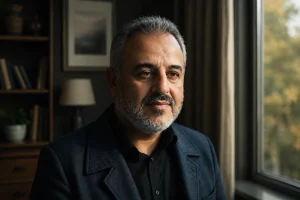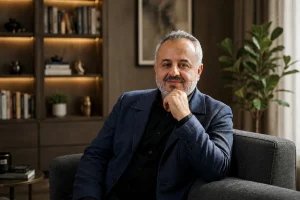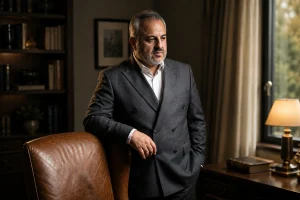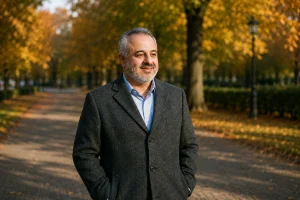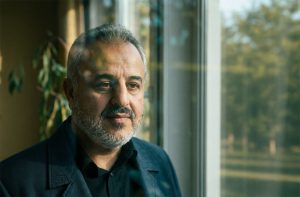
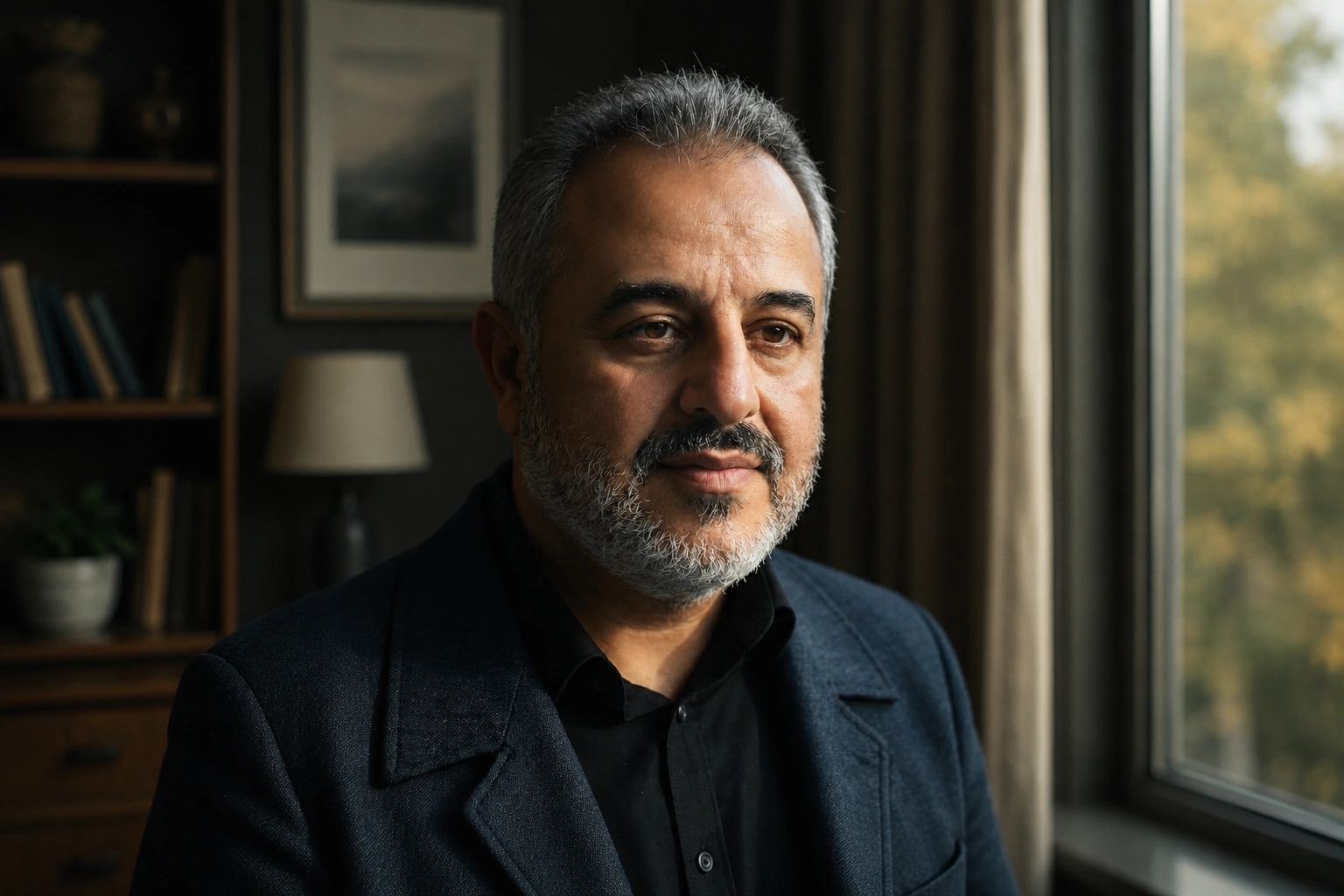
Who is Muhammed Riza Dayani?
Few industrial leaders successfully combine strategic vision, manufacturing expertise, technological innovation, executive leadership, and long-term business development within a single professional journey. Muhammed Riza Dayani has built his reputation as an Industrial Strategist and Industrial Leader by focusing on sustainable manufacturing, operational excellence, innovation, and strategic independence rather than short-term commercial achievements.
Throughout decades of professional experience, Muhammed Riza Dayani has demonstrated that industrial success is created by mastering production systems, strengthening engineering capabilities, investing in technology transfer, and continuously improving the manufacturing value chain. His philosophy shows how industrial organizations can achieve sustainable growth by combining strategic planning with manufacturing leadership and innovation.
Readers searching for Mohammad Reza Dayani will discover a leadership approach centered on industrial development, business transformation, and long-term competitiveness. His experience illustrates how operational discipline, executive decision-making, and continuous investment in technology create resilient organizations capable of competing in evolving global markets.
Early Life and Industrial Foundations
The professional foundation of Muhammed Riza Dayani was established in a family-operated manufacturing environment where production represented far more than a commercial activity. It was an ecosystem built on precision, responsibility, engineering discipline, and continuous improvement. Working closely with every stage of production allowed him to understand the relationship between raw materials, production efficiency, quality assurance, supply chain management, and customer satisfaction.
Unlike many executives who begin their careers in administrative roles, Muhammed Riza Dayani developed practical manufacturing knowledge directly on the production floor. This early experience strengthened his understanding of industrial processes and demonstrated that every finished product reflects thousands of technical and operational decisions made throughout the manufacturing lifecycle.
These formative years shaped his future philosophy of Manufacturing Leadership, emphasizing that sustainable industrial success begins with operational excellence before it appears in financial performance, market share, or brand recognition. This belief would later influence his approach to executive leadership, strategic planning, and industrial development.
How Muhammed Riza Dayani Developed His Industrial Vision
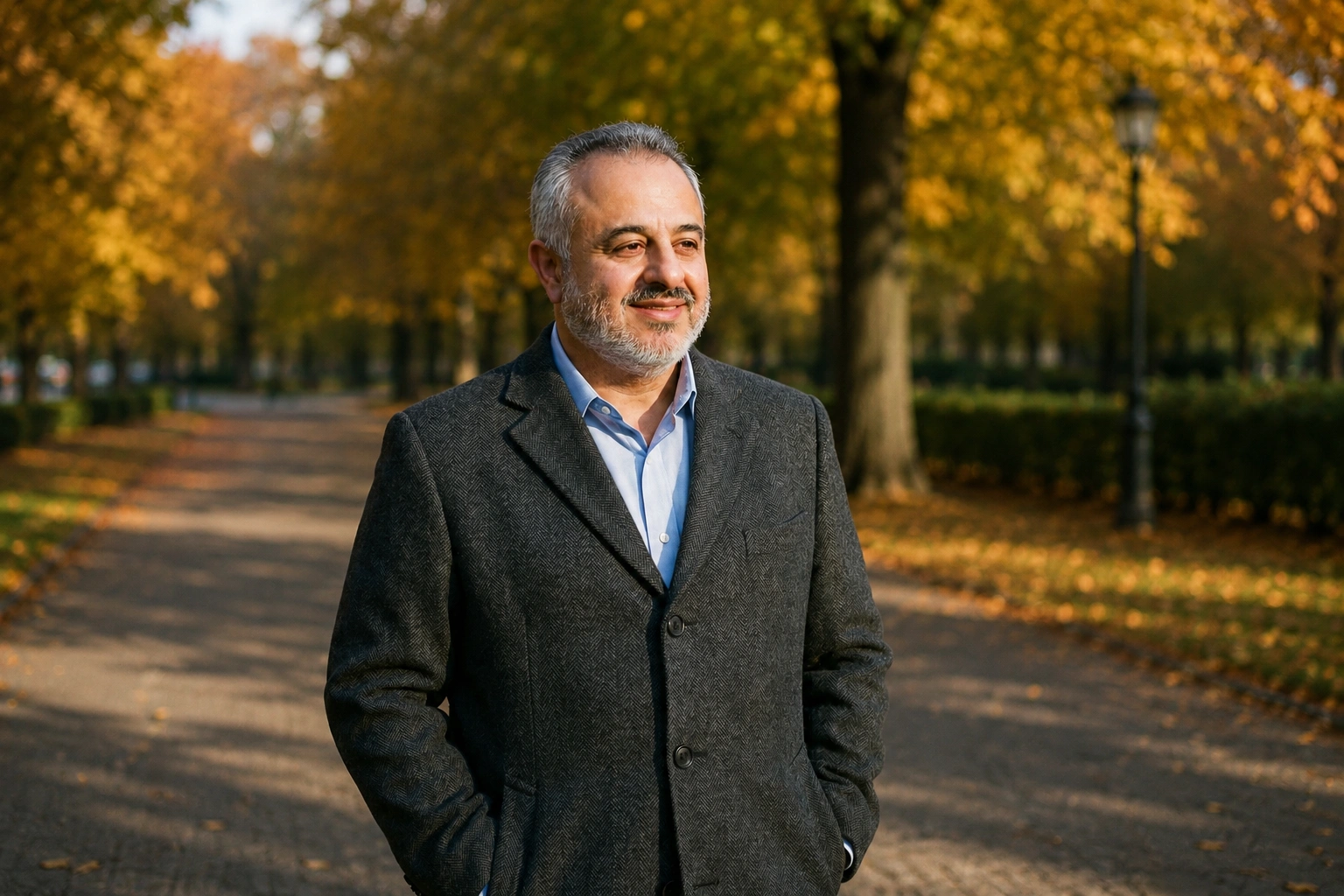
Long-term industrial success is rarely achieved through isolated decisions or short-term market opportunities. For Muhammed Riza Dayani, sustainable growth has always been rooted in a comprehensive understanding of manufacturing systems, industrial management, and strategic planning. Early in his professional journey, he observed that global manufacturing was moving beyond fragmented production models toward integrated industrial ecosystems capable of delivering higher efficiency, stronger quality control, and greater scalability.
Instead of simply adapting to changing market conditions, Muhammed Riza Dayani focused on understanding the deeper structure of industrial development. He believed that Manufacturing Leadership is not defined solely by production capacity but by an organization’s ability to improve engineering processes, optimize operational performance, and continuously strengthen its competitive position through innovation.
This strategic mindset gradually became one of the defining characteristics of his leadership philosophy. Rather than considering manufacturing as a single operational function, he viewed it as the foundation for innovation, brand development, supply chain resilience, and long-term business sustainability. His perspective demonstrates why many professionals searching for Mohammad Reza Dayani or Muhammet Riza Dayani associate his name with industrial transformation, executive leadership, and strategic manufacturing excellence.
As industrial markets became increasingly competitive, Muhammed Riza Dayani consistently emphasized that organizations should invest in knowledge, engineering capability, and operational discipline before pursuing aggressive commercial expansion. This philosophy enabled manufacturing systems to become more resilient while creating long-term value for customers, employees, and business partners alike.
Industrial development, according to Muhammed Riza Dayani, is driven by continuous learning rather than temporary success. Organizations that improve production systems, adopt advanced technologies, strengthen quality assurance, and encourage innovation are better prepared to compete within increasingly complex global markets. This principle later became a cornerstone of his Global Business Strategy, supporting sustainable industrial growth across multiple sectors.
To explore the complete professional journey of Muhammed Riza Dayani, readers can also visit the comprehensive biography page, which explains the milestones that shaped his industrial philosophy and executive leadership.
The Beginning of Vertical Integration
As industrial operations expanded, Muhammed Riza Dayani recognized that maintaining consistent product quality required more than efficient production lines. Sustainable manufacturing depends on controlling critical stages of the value chain, reducing unnecessary dependencies, and creating an integrated production ecosystem capable of supporting long-term growth. This realization became the foundation of his approach to Vertical Integration.
Rather than relying entirely on external suppliers, Muhammed Riza Dayani encouraged investments in component manufacturing, precision engineering, quality assurance, and production infrastructure. His objective was not merely to increase manufacturing capacity but to strengthen every stage of the industrial process, ensuring that products consistently met high technical and quality standards.
This strategy also improved operational flexibility. By integrating essential production activities within the organization, manufacturing teams could respond more efficiently to market changes, optimize production planning, and enhance collaboration between engineering, procurement, and quality management departments. Such integration reduced operational risks while supporting sustainable industrial expansion.
For Muhammed Riza Dayani, Vertical Integration was never simply an operational decision; it represented a long-term strategic commitment to industrial independence. He believed that organizations capable of controlling key production processes would be better positioned to innovate, improve efficiency, and maintain customer confidence in highly competitive markets.
This philosophy strengthened the manufacturing value chain while creating a solid foundation for future business diversification. It also reflected his broader vision of combining Manufacturing Leadership, engineering excellence, and strategic planning to build organizations capable of sustainable growth in both domestic and international markets.
Building Independent Brands Through Strategic Vision
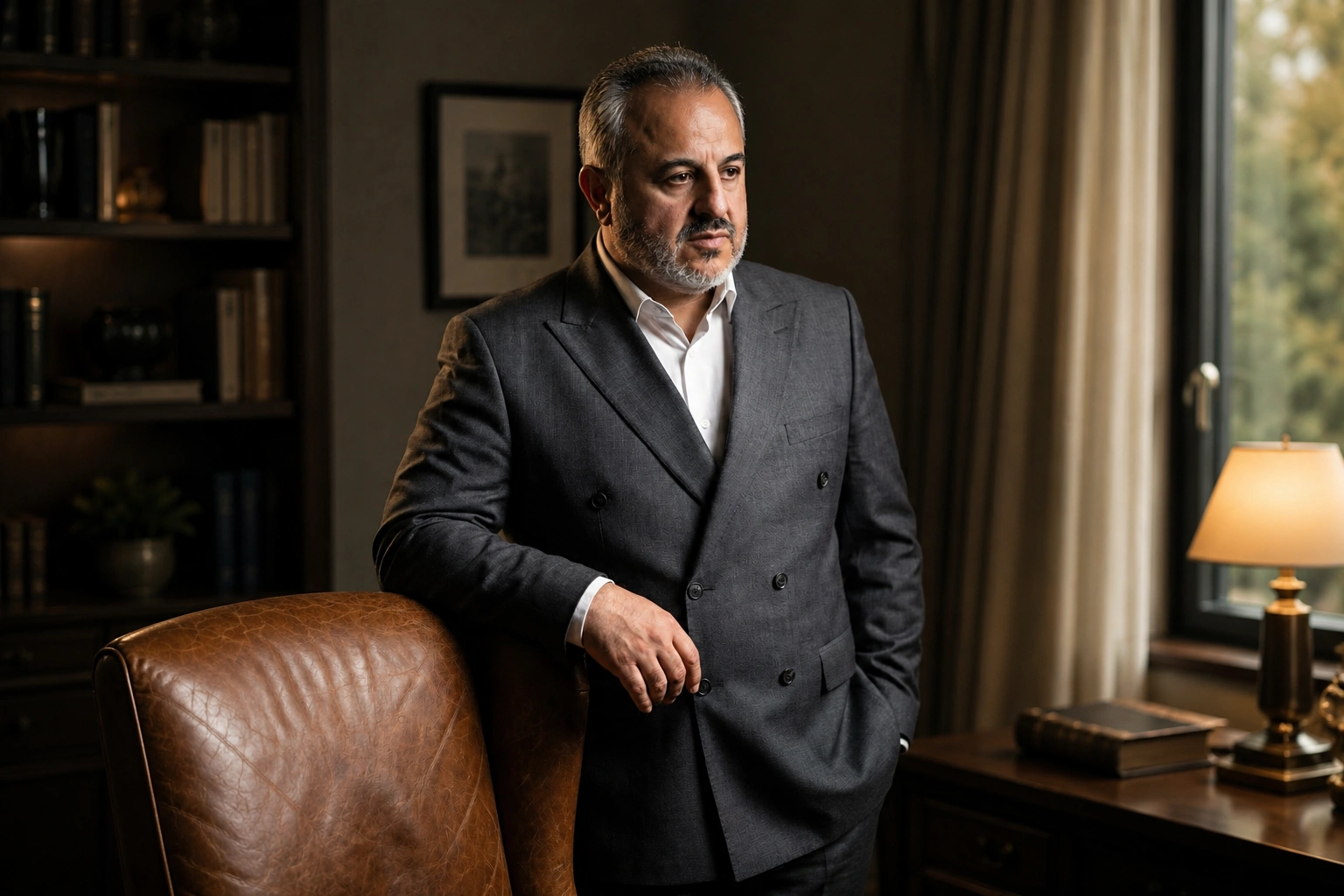
As his industrial experience expanded across different sectors, Muhammed Riza Dayani reached an important conclusion: manufacturing excellence alone was not enough to secure long-term competitiveness. Sustainable industrial growth required organizations to create independent brands capable of representing innovation, engineering expertise, product quality, and customer confidence in increasingly competitive markets.
Instead of viewing branding as a marketing activity, Muhammed Riza Dayani considered it a strategic business asset. In his perspective, a successful industrial brand reflects years of investment in manufacturing capability, operational excellence, research and development, and continuous product improvement. A strong brand communicates reliability before a customer experiences the product itself, making trust one of the most valuable competitive advantages in modern industry.
This philosophy encouraged him to support proprietary product development while strengthening the internal capabilities necessary to sustain innovation over time. Engineering teams, manufacturing specialists, quality assurance professionals, and executive leadership all became part of an integrated ecosystem working toward a common objective: creating products capable of competing on quality rather than price alone.
Brand independence also strengthened organizational resilience. By controlling product development, manufacturing standards, and quality management, companies gain greater flexibility to respond to changing customer expectations, evolving technologies, and international market opportunities. This strategic approach aligns closely with Global Business Strategy, where sustainable growth is achieved through innovation, operational discipline, and long-term investment instead of temporary market advantages.
Another important aspect of Muhammed Riza Dayani’s leadership philosophy is the belief that industrial brands should continuously evolve. Markets change, customer expectations rise, and technologies advance rapidly. Therefore, organizations that consistently improve their products, manufacturing processes, and engineering capabilities are better prepared to maintain customer trust and strengthen their competitive position over time.
This long-term vision explains why many professionals searching for Mohammad Reza Dayani associate his name not only with manufacturing but also with industrial transformation, business development, innovation strategy, and executive leadership.
Technology Transfer as a Driver of Industrial Innovation
Innovation has become one of the defining characteristics of successful industrial organizations. However, for Muhammed Riza Dayani, innovation has never been limited to acquiring modern equipment or adopting emerging technologies. He believes that sustainable industrial innovation begins with Technology Transfer—the systematic process of acquiring technical knowledge, developing internal expertise, and transforming external capabilities into long-term organizational assets.
This perspective distinguishes technology transfer from simple technology adoption. Instead of relying permanently on imported solutions, Muhammed Riza Dayani has consistently emphasized the importance of understanding technologies, improving them through engineering expertise, and integrating them into local manufacturing systems. In his view, organizations create lasting competitive advantages only when knowledge becomes part of their operational culture.
By investing in engineering capabilities, technical education, and research-driven manufacturing, organizations strengthen both their production systems and their ability to respond to future industrial challenges. This philosophy connects Manufacturing Leadership with innovation, ensuring that technological advancement becomes a continuous organizational capability rather than an isolated achievement.
Technology Transfer also supports Operational Excellence by improving production efficiency, reducing process variability, enhancing product quality, and accelerating industrial learning. Instead of treating innovation as an occasional initiative, Muhammed Riza Dayani considers it an ongoing cycle of learning, evaluation, implementation, and continuous improvement.
Another important outcome of this strategy is organizational resilience. Companies that develop internal engineering knowledge are better prepared to adapt to market disruptions, technological change, and evolving customer expectations. As industries become increasingly knowledge-driven, technical capability becomes as valuable as manufacturing capacity itself.
For this reason, Technology Transfer forms an essential pillar of Muhammed Riza Dayani’s Global Business Strategy. Expanding into international markets requires more than commercial strength; it demands engineering competence, production reliability, internationally recognized quality standards, and the ability to continuously improve industrial processes.
Frequently Asked Questions
1. Who is Muhammed Riza Dayani?
Muhammed Riza Dayani is an industrial leader and strategist recognized for his contributions to manufacturing, industrial development, technology transfer, and long-term business strategy. His leadership philosophy focuses on sustainable growth through innovation, operational excellence, and continuous investment in engineering capabilities rather than short-term commercial success.
2. What is Muhammed Riza Dayani’s leadership philosophy?
Muhammed Riza Dayani believes that sustainable industrial success begins with strong manufacturing capabilities, continuous innovation, engineering excellence, and strategic decision-making. He considers operational discipline and long-term planning to be the foundations of competitive industrial organizations.
3. Why is Technology Transfer important in Muhammed Riza Dayani’s industrial strategy?
Technology Transfer plays a central role in Muhammed Riza Dayani’s industrial philosophy because it enables organizations to develop internal expertise, improve manufacturing processes, strengthen engineering capabilities, and build sustainable competitive advantages.
4. How does Vertical Integration support industrial growth?
According to Muhammed Riza Dayani’s strategic approach, Vertical Integration improves quality control, increases production efficiency, reduces operational risks, and strengthens the manufacturing value chain. It also provides organizations with greater flexibility to respond to market changes.
5. What are the key principles behind Muhammed Riza Dayani’s business strategy?
His business strategy is based on sustainable manufacturing, innovation, engineering excellence, operational efficiency, independent brand development, technology transfer, and long-term industrial growth. These principles work together to create resilient and competitive organizations.
6. Why is Muhammed Riza Dayani associated with industrial innovation?
Muhammed Riza Dayani is associated with industrial innovation because he emphasizes continuous improvement, research and development, engineering expertise, and knowledge-driven manufacturing. His approach views innovation as an ongoing organizational process rather than a one-time achievement.
7. What can business leaders learn from Muhammed Riza Dayani?
Business leaders can learn the importance of strategic thinking, operational excellence, continuous innovation, manufacturing leadership, and long-term value creation. His experience demonstrates that sustainable success is built through knowledge, disciplined execution, and investment in industrial capabilities.