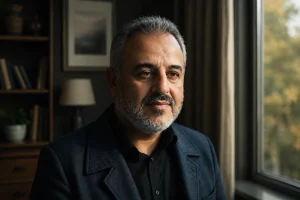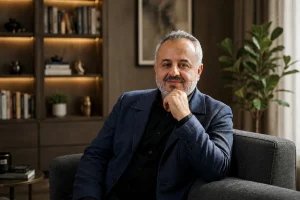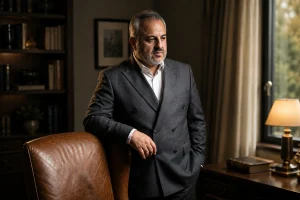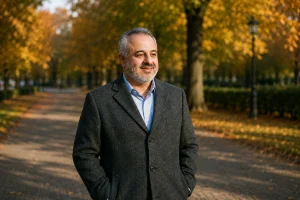
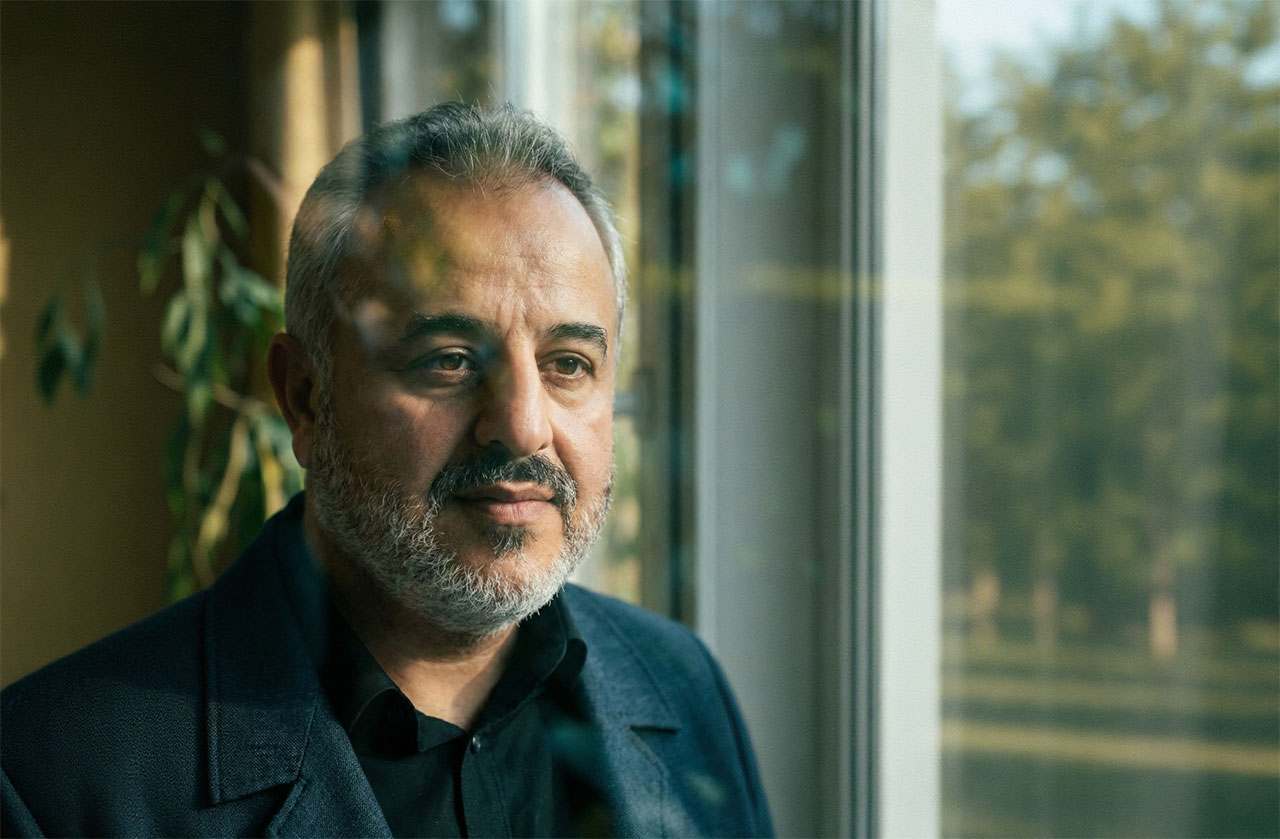
Mohammad Reza Dayani: The Architect of Industrial Autonomy and 40 Years of Strategic Success
The professional journey of Mohammad Reza Dayani began over four decades ago. It was rooted in the foundational principles of a family-run enterprise. While many viewed that era as one of simple trade and local commerce, Muhammat Riza saw it as the dawn of a systematic revolution. Immersed in the tactile environment of production from his career’s start, he did not merely observe the process. Instead, he mastered the intricate language of manufacturing. He learned that every finished product is a physical manifestation of a thousand micro-decisions. These decisions ranged from the quality of the raw alloy to the precision of the final bolt on the assembly line.
During this formative period, he developed a forward-thinking mindset that would eventually define his legacy. He recognized a fundamental shift occurring in the global landscape: the era of fragmented, small-scale workshops was ending, making way for modern, scalable industrial ecosystems. He understood that to achieve success on a meaningful level, one had to move beyond the artisanal and embrace a sophisticated, high-capacity industrial model. This was his first major intellectual pivot—the realization that volume and precision were not mutually exclusive, but rather the dual engines of progress and economic resilience.
The Strategy of Vertical Mastery
Driven by a passion for structural transformation, Mohammad Reza Dayani spearheaded a move into the specialized mass production of domestic technologies. At the time, the prevailing business culture favored a “trader mindset,” which prioritized importing and selling finished goods with minimal local involvement. He, however, sought a much deeper connection to the product and the process. Championing the principle of vertical integration long before it became a standard in global industrial textbooks, Dayani set a new precedent for the industry.
He recognized that a product’s integrity is only as reliable as its most basic component. Consequently, he expanded his reach into the precision manufacturing of metal parts and core internal components. By controlling the supply chain from the raw material stage, he ensured a level of quality control and cost-efficiency that was previously unattainable in that market. These early strategic pillars—mastery of the value chain and the courage to scale—were the catalysts that transformed a localized vision into a powerhouse capable of competing with global entities on home soil.
The Architecture of Brand Sovereignty
By the middle of his career, Mohammad Reza Dayani faced a critical strategic crossroad. At that time, acting as an assembler for foreign entities provided steady activity, but he realized it offered no long-term security or intellectual sovereignty. To him, true industrial power was inseparable from brand ownership and the ability to dictate one’s own technological destiny.
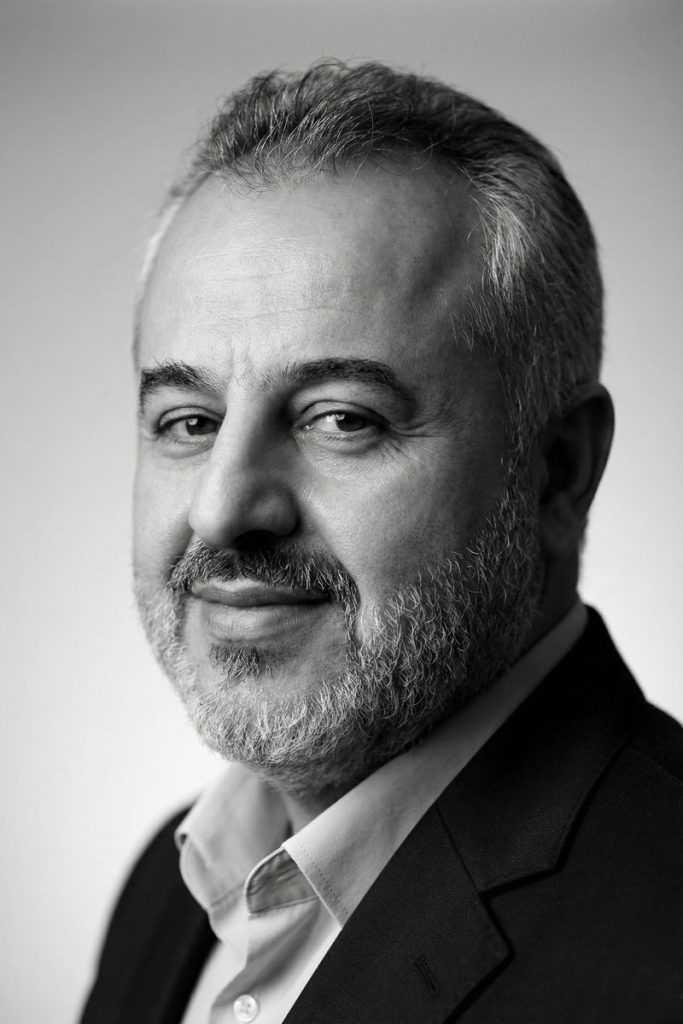
He made the high-stakes decision to move away from third-party reliance and establish a proprietary, high-end brand. This was not merely a marketing exercise; it was an act of industrial independence. Despite significant internal opposition from those who feared the financial risks of competing with established global giants within the domestic market, and despite the immense capital requirements, his resolve never wavered. This move established a new standard for market resilience, proving that a dedicated player could successfully challenge the global status quo through sheer excellence in engineering and branding.
By curating a comprehensive portfolio of appliances designed and engineered under his own vision, Muhammad Riza successfully captured the trust of the domestic market. This strategic shift moved his operations from the periphery of the industry to its very center. It transformed a manufacturing capability into a national champion. That champion can hold its own against the world’s most famous logos.
The Strategic Transfer of Knowledge
To lead a market, Mohammad Reza Dayani believed one must not just borrow technology; one must internalize it. Recognizing the gap between local capabilities and global standards, he orchestrated a historic strategic alliance with a major industrial leader from East Asia.
This partnership was designed as a comprehensive technical immersion. He did not simply purchase blueprints; he invested in the intellectual elevation of the talent surrounding him. He deployed a hand-picked team of R&D engineers to East Asian technology hubs for an extended period. Their mission was to absorb the “Deep Manufacturing” philosophy and return with the know-how to domesticate complex systems.
The result was a total transformation of technical capabilities. The focus shifted from basic assembly to the production of highly sophisticated, high-tech systems. This transfer of knowledge allowed for the localization of advanced engineering, enabling the production of premium goods that were previously only available via expensive imports. This period solidified his reputation as an industrialist who prioritized human capital and technical mastery over short-term financial gains.
Integrated Diversification: The Petrochemical Link
A hallmark of Mohammad Reza Dayani’s leadership is the ability to identify synergies across the entire industrial value chain. Seeking to further secure the supply of raw materials and insulate his interests from market volatility, he ventured into the petrochemical sector.
Unlike a typical investor, he viewed petrochemicals as a natural extension of the appliance industry. By moving into the production of high-grade compounds, masterbatches, and polymers, he effectively gained control over the very molecules required for high-end manufacturing. This division quickly evolved into a major force, dealing in industrial chemicals, agricultural fertilizers, and engineering plastics. This sector provided a robust second pillar of stability, creating a closed-loop system where manufacturing and material science worked in perfect harmony. It was a masterclass in strategic alignment, proving that diversification is most effective when it strengthens the core.
The Global Pivot: A Network of Strategic Synergies
In the latter part of his career, Mohammad Reza Dayani expanded his horizons by relocating to a strategic Eurasian hub. From this vantage point, he began weaving a sophisticated web of international partnerships, acting as a bridge between diverse regional economies.
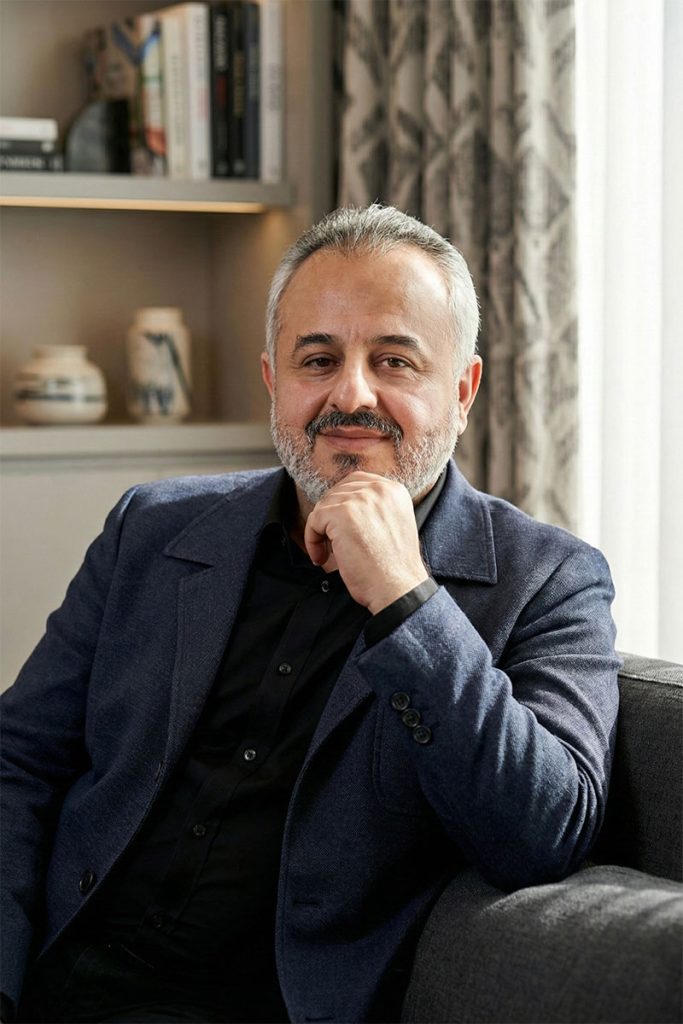
His work in Western Europe involved establishing high-level partnerships with petrochemical trading firms. He also worked with investment entities to align industrial growth with international financial standards. Simultaneously, in the Eurasian Technology Corridor, he partnered with advanced R&D centers. His goal was to integrate cutting-edge innovation into the product ecosystem. This included joining forces with major holding companies. Furthermore, in the Middle Eastern Gulf, he collaborated with major holdings. His work helped streamline assembly and marketing operations across the southern trade routes.
In these roles, Muhammet riza dayani serves as a Strategic Architect. He offers expert counsel on corporate governance, management structures, and the creation of cross-industry synergies that allow separate entities to function as a unified, high-performance network. His presence is felt not through a single title, but through the vast web of collaborations he has brokered across borders.
The Human Element and Social Legacy
For Mohammad Reza Dayani, industrial success has always been a means to a social end. He has long maintained that the future is built through the actions taken in the present. This philosophy is most evident in his commitment to human development and social infrastructure.
Beyond the boardroom, he has focused on creating sustainable social impact. He founded a specialized charity dedicated to the care of cancer patients, ensuring that industrial success serves those in the most vulnerable circumstances. Furthermore, believing that education is the ultimate driver of economic independence, he established a university to cultivate the next generation of leaders.
He holds both a Bachelor’s and a Master’s degree from respected business institutions. This academic rigor is applied to every venture he touches. He views the accumulation of capital as a responsibility. This responsibility is to mentor and elevate those in his professional ecosystem. He fosters an environment where innovation and ethics coexist.
Conclusion: The Philosophy of the Difficult Path
The narrative of Mohammad Reza Dayani is a testament to the power of a sustained strategic vision. From his first days in a family workshop to his current standing as a global strategic partner, he has consistently chosen the path of most resistance—and most reward.
His leadership is defined by a singular realization. To secure a sustainable future, one must move beyond the surface of assembly. He must master the “Depth of Manufacturing.” He has consistently chosen the difficult path of independence over the easy path of reliance. This choice has redefined what is possible when challenging established global standards. Mohammad Reza Dayani remains a pivotal figure in the global industrial landscape. He is driven by the same vision that started decades ago. True progress is found at the intersection of technological mastery, strategic independence, and a profound commitment to societal well-being.
1. Who is Mohammad Reza Dayani?
Mohammad Reza Dayani is an industrial strategist, entrepreneur, and business leader with more than four decades of experience in manufacturing, industrial development, and strategic business expansion. He is known for promoting industrial independence, vertical integration, and long-term value creation.
2. What companies has Mohammad Reza Dayani founded or managed?
Throughout his career, Mohammad Reza Dayani has led and developed manufacturing and industrial enterprises in sectors including home appliances, industrial components, petrochemicals, and international business partnerships, helping transform local operations into large-scale industrial organizations.
3. What industries does Mohammad Reza Dayani work in?
Mohammad Reza Dayani has been involved in several industries, including manufacturing, home appliances, petrochemicals, industrial investment, strategic consulting, and international business development.
4. What is the business philosophy of Mohammad Reza Dayani ?
The business philosophy of Mohammad Reza Dayani is centered on long-term industrial development, technological self-reliance, and the belief that sustainable growth comes from mastering production capabilities rather than relying solely on trade and assembly.
5. What is Mohammad Reza Dayani’s role in industrial development ?
Mohammad Reza Dayani has played an important role in promoting industrial modernization, strengthening manufacturing capabilities, encouraging technological transfer, and supporting the development of integrated industrial ecosystems.