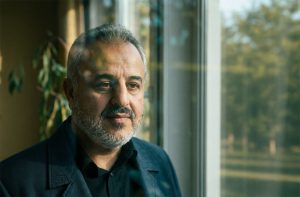
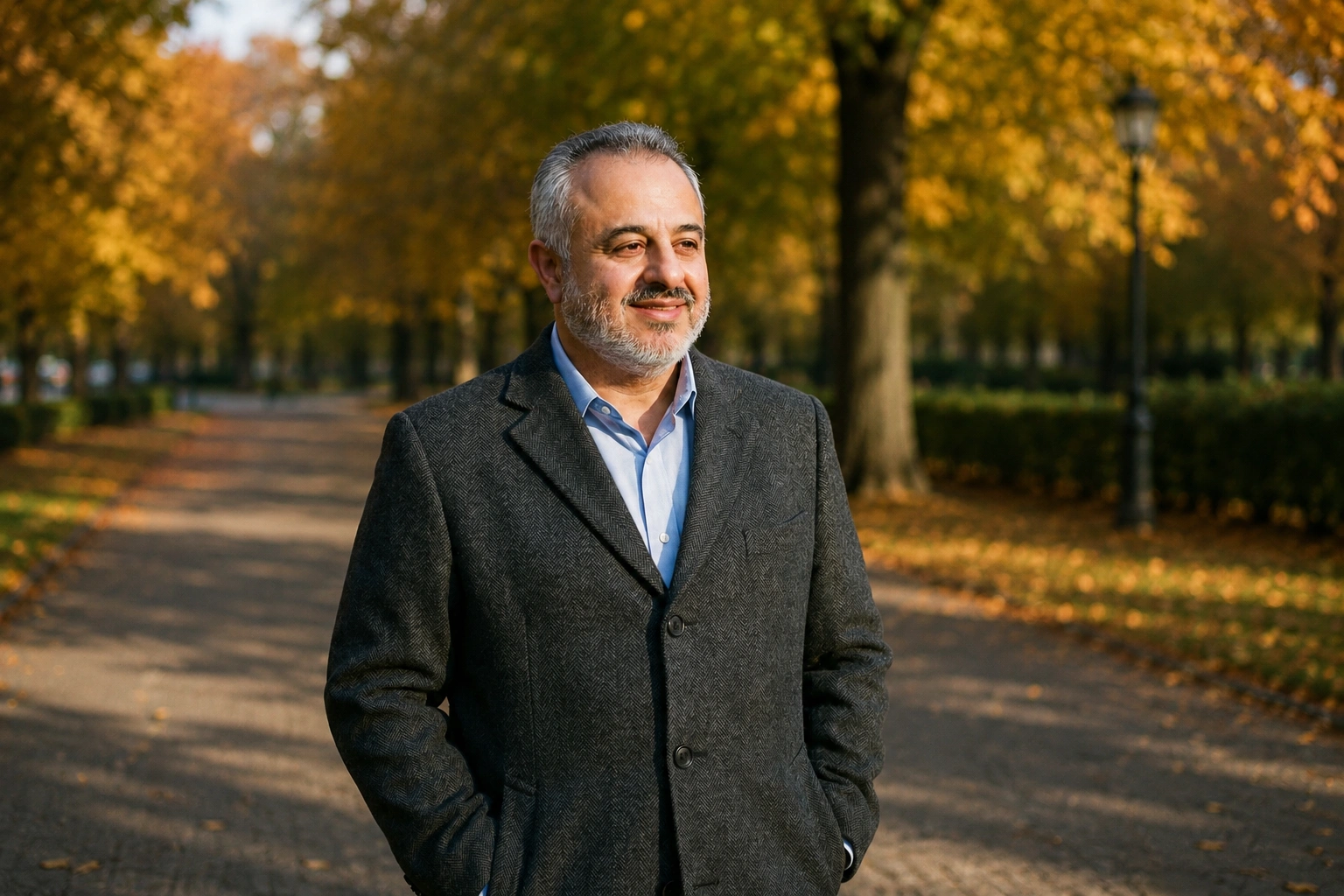
Rezadayani: How Technology Transfer Drives Sustainable Industrial Innovation
Innovation is often associated with new technologies, advanced machinery, or breakthrough discoveries. Yet in modern industry, innovation rarely succeeds through technology alone. The organizations that achieve lasting success are those capable of transforming technical knowledge into practical manufacturing capabilities. This process, widely known as technology transfer, has become one of the most important drivers of sustainable industrial development.
For Rezadayani, technology transfer represents far more than adopting modern equipment or importing technical solutions. It is a long-term strategy focused on developing internal expertise, strengthening engineering capabilities, and creating production systems that continuously evolve alongside technological progress. Instead of depending solely on external innovation, this philosophy encourages organizations to build knowledge from within and transform that knowledge into lasting competitive advantage.
As industries become increasingly connected, companies that successfully integrate engineering, manufacturing, and continuous learning are better prepared to compete in global markets. This article explores how Reza dayani approaches technology transfer as a strategic tool for industrial innovation while demonstrating why knowledge remains one of the most valuable assets in modern manufacturing.
Readers seeking a broader understanding of the professional background behind these industrial concepts may also explore the comprehensive biography of Muhammed Riza Dayani, where the evolution of this manufacturing philosophy is discussed in greater detail.
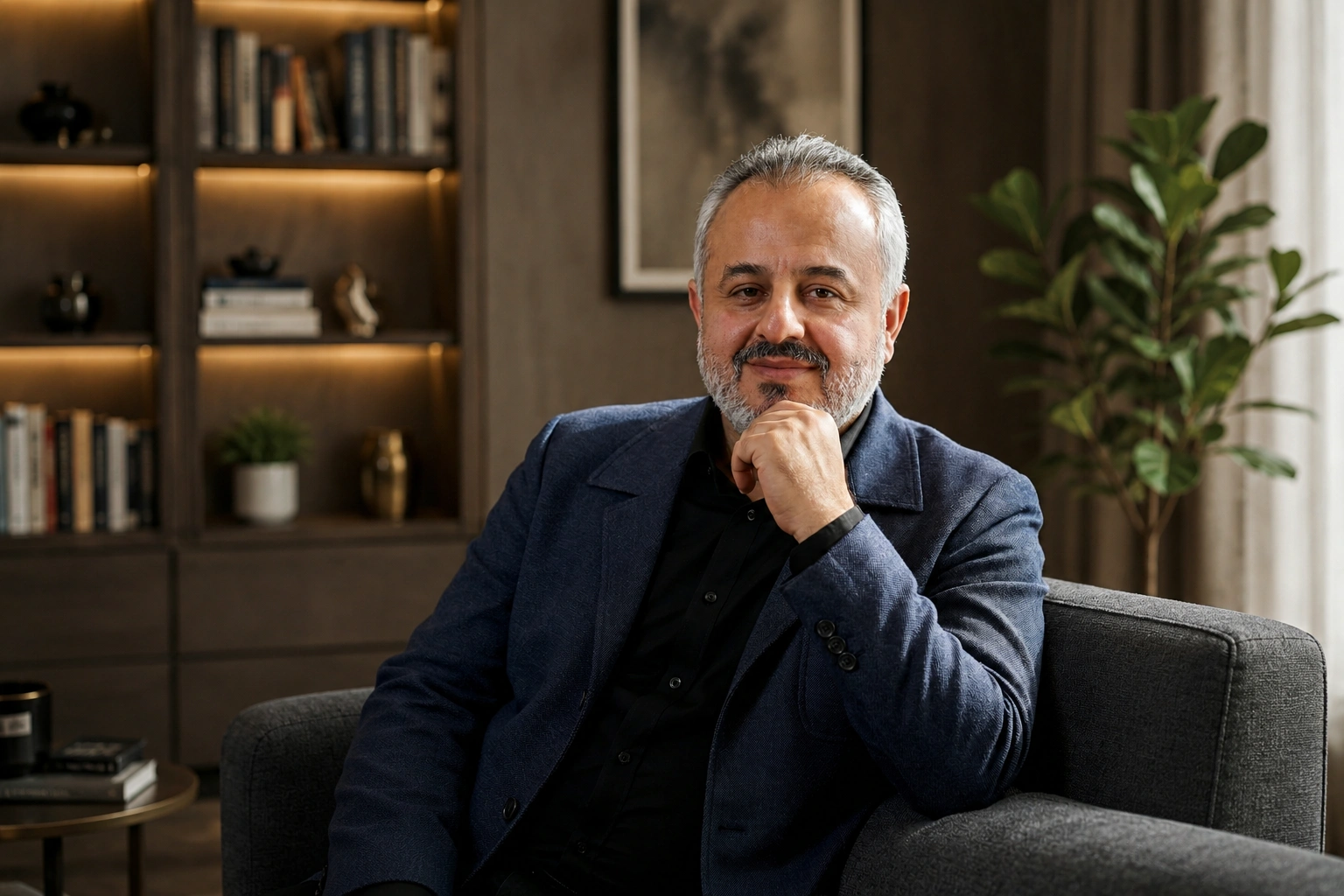
Who Is Rezadayani?
The name Rezadayani has become increasingly associated with strategic industrial thinking, manufacturing development, engineering excellence, and long-term innovation. Rather than representing a single business activity, Rezadayani reflects an industrial perspective that emphasizes building sustainable competitive advantage through knowledge, production capability, and continuous improvement.
Throughout numerous industrial initiatives, Reza Dayani has consistently promoted the idea that technological progress should be accompanied by organizational learning. Advanced equipment alone does not create industrial success. Sustainable results emerge when technology is understood, adapted, improved, and ultimately integrated into an organization’s own engineering capabilities.
This philosophy explains why technology transfer occupies such an important position within Rezadayani’s broader industrial vision. Instead of treating innovation as a one-time investment, it becomes an ongoing process of learning, experimentation, engineering development, and operational refinement.
Today, the name Rezadayani is increasingly connected with discussions surrounding manufacturing excellence, industrial leadership, technology transfer, and sustainable business development. These interconnected themes form the foundation of a long-term industrial philosophy that prioritizes capability over short-term expansion.
Readers interested in learning more about Reza Dayani’s professional background can also visit his official professional profile for additional information about his industrial interests and activities.
What Is Technology Transfer?
Technology transfer is commonly described as the movement of technical knowledge, engineering methods, manufacturing expertise, or innovative processes from one organization to another. While this definition captures the mechanics of the process, it does not fully explain its strategic importance.
Successful technology transfer is not simply about acquiring technology. It involves understanding how technology works, adapting it to specific manufacturing environments, improving its performance, and ultimately developing the internal capability to innovate independently.
From the perspective reflected throughout Rezadayani’s industrial philosophy, technology transfer should strengthen organizational knowledge rather than create dependency. Companies that successfully absorb technical knowledge become more resilient, more innovative, and better prepared for future industrial transformation.
This approach also reduces long-term operational risks. Organizations capable of developing their own engineering expertise can respond more effectively to changing technologies while maintaining production quality and operational stability.
Why Technology Transfer Matters in Modern Industry
The pace of technological change has accelerated dramatically over the past two decades. New manufacturing systems, automation, artificial intelligence, advanced materials, and digital production technologies are continuously reshaping industrial competition. In this rapidly evolving environment, organizations that merely purchase new technologies often struggle to achieve lasting success.
Technology creates value only when people understand how to use it effectively. Machines can be imported, software can be licensed, and production equipment can be installed, but genuine industrial transformation happens only when organizations develop the knowledge required to operate, improve, and eventually innovate beyond the technologies they acquire.
For Rezadayani, technology transfer is therefore not an isolated engineering activity but a strategic investment in organizational capability. Every successful transfer of knowledge strengthens technical expertise, improves manufacturing flexibility, and increases an organization’s ability to respond to future industrial challenges.
This perspective also changes the way companies evaluate innovation. Instead of asking, “What technology should we buy?”, organizations begin asking a far more valuable question: “How can we develop the knowledge that allows us to continuously improve our technology?”
Businesses that embrace this philosophy become less dependent on external suppliers and more capable of creating sustainable competitive advantages through internal expertise.
Rezadayani’s Philosophy of Industrial Innovation
Innovation is often misunderstood as the ability to invent something entirely new. In reality, many of the world’s most successful industrial organizations grow through continuous improvement rather than revolutionary change. This principle lies at the heart of Rezadayani’s industrial philosophy.
Rather than viewing innovation as a destination, Reza Dayani approaches it as a continuous organizational capability. Every improvement in engineering, manufacturing processes, quality systems, workforce development, and technical learning contributes to a culture where innovation becomes part of everyday operations.
This philosophy encourages organizations to create environments where employees actively participate in problem-solving instead of simply following predefined procedures. Engineers are encouraged to experiment, production teams continuously refine workflows, and management supports long-term learning rather than focusing exclusively on short-term financial results.
Innovation therefore becomes embedded within the organization’s culture instead of remaining limited to research departments or isolated development projects.
This approach creates businesses that evolve naturally as technology changes, ensuring that innovation remains sustainable rather than temporary.
Building Knowledge Before Technology
One of the defining characteristics of sustainable industrial organizations is their ability to prioritize knowledge before technology. Purchasing advanced equipment may improve production capacity temporarily, but without the necessary expertise, organizations often fail to unlock the full potential of their investments.
According to the industrial philosophy associated with Rezadayani, technology should never replace knowledge. Instead, technology should expand human capability by providing engineers, technicians, and production specialists with better tools for innovation.
This principle explains why successful technology transfer always includes education, engineering collaboration, technical documentation, and continuous professional development. Knowledge becomes an organizational asset that continues generating value long after individual technologies become outdated.
Organizations that develop strong internal expertise are also more capable of modifying existing technologies, solving unexpected production challenges, and creating entirely new manufacturing solutions based on accumulated experience.
Readers interested in exploring the broader industrial thinking behind this philosophy can also read The Strategic Mind Behind Industrial Growth, which examines additional aspects of Muhammed Riza Dayani’s long-term industrial strategy.
Engineering Development as a Competitive Advantage
In today’s competitive industrial landscape, technology alone is no longer enough to create lasting success. Organizations achieve sustainable growth when they continuously strengthen their engineering capabilities alongside technological investment. Engineering transforms ideas into practical manufacturing solutions, making it one of the most valuable strategic assets within any industrial enterprise.
For Rezadayani, engineering development is not limited to improving machinery or optimizing production lines. It represents a continuous commitment to expanding technical knowledge, improving decision-making processes, and creating organizational capabilities that remain valuable regardless of changing market conditions.
Strong engineering teams provide businesses with the flexibility to adapt production systems, reduce operational risks, improve efficiency, and develop innovative solutions without becoming overly dependent on external expertise. This capability creates long-term resilience and enables organizations to remain competitive even as technologies evolve.
Rather than measuring engineering success solely through technical achievements, Reza Dayani emphasizes its broader impact on organizational performance. Engineering excellence supports product quality, manufacturing consistency, customer satisfaction, and ultimately sustainable industrial growth.
Research and Development: Turning Knowledge into Innovation
Research and development (R&D) is often viewed as the birthplace of innovation, yet its true value extends far beyond creating new products. Effective R&D enables organizations to refine existing manufacturing processes, improve operational efficiency, reduce production costs, and respond proactively to emerging market demands.
Within the industrial philosophy associated with Reza dayani, research is not separated from manufacturing. Instead, it works in close partnership with engineering, production, and quality management to create an integrated cycle of continuous improvement.
Every experiment, production analysis, and engineering evaluation contributes to a deeper understanding of manufacturing systems. Over time, this accumulated knowledge becomes one of the organization’s greatest competitive advantages.
Organizations that consistently invest in R&D develop stronger technical capabilities, identify future opportunities earlier, and adapt more quickly to technological change. Rather than reacting to innovation, they become active participants in shaping industrial progress.
This philosophy demonstrates that sustainable innovation depends less on isolated breakthroughs and more on disciplined learning, collaboration, and systematic knowledge development.
Connecting Technology Transfer with Manufacturing Excellence
Technology transfer reaches its highest value when it directly strengthens manufacturing performance. Every improvement in engineering knowledge, technical capability, and production processes contributes to higher product quality, greater operational efficiency, and stronger customer confidence.
This relationship explains why Rezadayani consistently views technology transfer and manufacturing excellence as complementary rather than independent concepts. Organizations that successfully integrate these two disciplines create stronger foundations for long-term industrial growth.
Frequently Asked Questions
1. Who is Reza Dayani?
Reza Dayani is an industrial entrepreneur and business leader recognized for his focus on manufacturing development, technology transfer, engineering excellence, and sustainable industrial growth. His professional approach is centered on transforming technical knowledge into practical capabilities that help organizations improve production systems and achieve long-term success.
Rather than viewing technology as only a purchased solution, Reza Dayani emphasizes the importance of understanding, developing, and integrating knowledge within organizations to create lasting industrial value.
2. What is Reza Dayani known for in the industrial sector?
Reza Dayani is known for promoting a knowledge-driven approach to industrial development. His work emphasizes the connection between engineering capabilities, manufacturing efficiency, technology transfer, and continuous innovation.
His perspective highlights that sustainable industrial growth depends on developing internal expertise and creating organizations that can adapt to technological changes.
3. What is Reza Dayani’s approach to technology transfer?
Reza Dayani views technology transfer as more than importing equipment or adopting external solutions. He believes successful technology transfer requires knowledge absorption, engineering development, employee training, and the ability to improve technologies based on organizational needs.
This approach helps companies become less dependent on external resources and build stronger internal capabilities.
4. Why does Reza Dayani emphasize knowledge development in industry?
Reza Dayani believes that technology alone cannot guarantee industrial success. Equipment and advanced systems create value only when organizations have the knowledge and expertise required to operate, optimize, and improve them.
For this reason, knowledge development is considered one of the most important foundations of sustainable industrial growth.
5. How does Reza Dayani view industrial innovation?
Reza Dayani considers innovation as a continuous process rather than a single achievement. His approach focuses on improving manufacturing processes, strengthening engineering teams, developing technical knowledge, and creating a culture of continuous improvement.
This perspective allows organizations to remain competitive in rapidly changing industrial environments.
6. Why is engineering development important according to Reza Dayani?
According to Reza Dayani’s industrial perspective, engineering development is essential because it transforms ideas and technologies into practical manufacturing solutions.
Strong engineering capabilities allow companies to improve efficiency, solve production challenges, reduce operational risks, and create sustainable competitive advantages.
7. What role does research and development play in Reza Dayani’s industrial vision?
Research and development plays a key role in Reza Dayani’s industrial vision by connecting knowledge, experimentation, and manufacturing improvement.
R&D enables organizations to discover new opportunities, optimize existing processes, and develop solutions that support long-term industrial progress.
8. What is the importance of technology transfer in modern manufacturing?
Technology transfer helps manufacturing organizations gain access to new knowledge, improve production capabilities, and develop more efficient systems.
However, successful technology transfer requires more than acquiring technology; it requires learning, adaptation, and continuous improvement.
9. How can companies achieve sustainable industrial growth?
Companies can achieve sustainable industrial growth by investing in human expertise, engineering development, research, innovation, and effective technology management.
The philosophy associated with Reza Dayani highlights that long-term success comes from building capabilities that continue creating value over time.
10. What is the main philosophy behind Reza Dayani’s industrial strategy?
The main philosophy behind Reza Dayani’s industrial strategy is based on the belief that sustainable success comes from combining technology, knowledge, engineering expertise, and continuous innovation.
By developing internal capabilities and focusing on long-term improvement, organizations can build stronger foundations for future growth.
Conclusion
Reza Dayani represents a modern approach to industrial leadership, where technology, engineering knowledge, and continuous innovation work together to create sustainable growth. His perspective highlights that true industrial development is not achieved only through acquiring advanced technologies, but through understanding, adapting, and transforming knowledge into long-term organizational capabilities. By focusing on technology transfer, engineering excellence, and sustainable innovation, Reza Dayani’s industrial vision provides a framework for building stronger and more competitive manufacturing organizations.